AGROFIG
FOSTERING AGROFORESTRY BENEFITS THROUGH FIG TREE CULTIVATION IN THE MEDITERRANEAN
AGROFIG
FOSTERING AGROFORESTRY BENEFITS THROUGH FIG TREE CULTIVATION IN THE MEDITERRANEAN
AGROFIG
FOSTERING AGROFORESTRY BENEFITS THROUGH FIG TREE CULTIVATION IN THE MEDITERRANEAN
AGROFIG
FOSTERING AGROFORESTRY BENEFITS THROUGH FIG TREE CULTIVATION IN THE MEDITERRANEAN
AGROFIG
FOSTERING AGROFORESTRY BENEFITS THROUGH FIG TREE CULTIVATION IN THE MEDITERRANEAN
AGROFiG
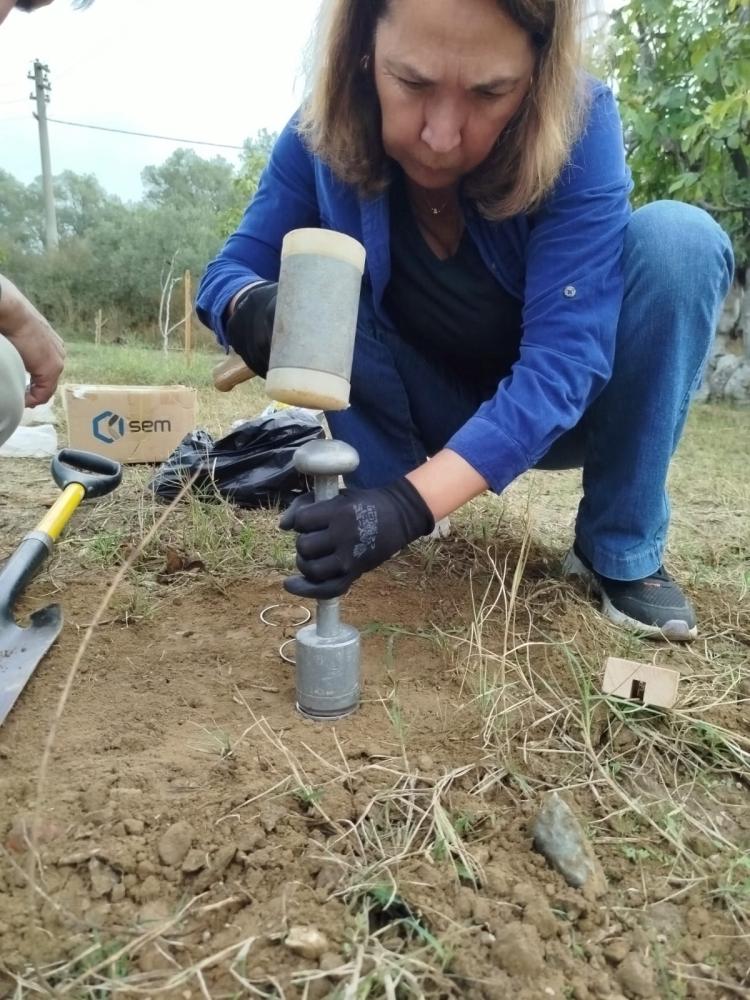

SHORT DESCRIPTION
Agroforestry with figs promotes sustainable land use, improves soil and water, and adapts to climate change. The AGROFIG project tests fig varieties and encourages adoption through stakeholder engagement in living labs.
BUDGET:
1438099,413
DURATION:
36 months
COORDINATOR:
Tommaso Giordani
COORDINATOR EMAIL
tommaso.giordani@unipi.it
ORGANISATION:
University of Pisa
NUMBER OF PARTICIPATING STATES:
4
NUMBER RESEARCH UNITS:
5
OTHER IN CONSORTIUM:
1 Centro de Investigaciones Científicas y Tecnológicas de Extremadura ES, 2 Université de Tunis El Manar TN, 3 Aydın Adnan Menderes University TR, 4 Azienda Agricola dimostrativa I giardini di Pomona I.
FOSTERING AGROFORESTRY BENEFITS THROUGH FIG TREE CULTIVATION IN THE MEDITERRANEAN
NUMBER OF PARTICIPATING STATES:
4
NUMBER RESEARCH UNITS:
5
OTHER IN CONSORTIUM:
1 Centro de Investigaciones Científicas y Tecnológicas de Extremadura ES, 2 Université de Tunis El Manar TN, 3 Aydın Adnan Menderes University TR, 4 Azienda Agricola dimostrativa I giardini di Pomona I.
SHORT DESCRIPTION
Agroforestry with figs promotes sustainable land use, improves soil and water, and adapts to climate change. The AGROFIG project tests fig varieties and encourages adoption through stakeholder engagement in living labs.
BUDGET:
1438099,413
DURATION:
36 months
COORDINATOR:
Tommaso Giordani
COORDINATOR EMAIL
tommaso.giordani@unipi.it
ORGANISATION:
University of Pisa
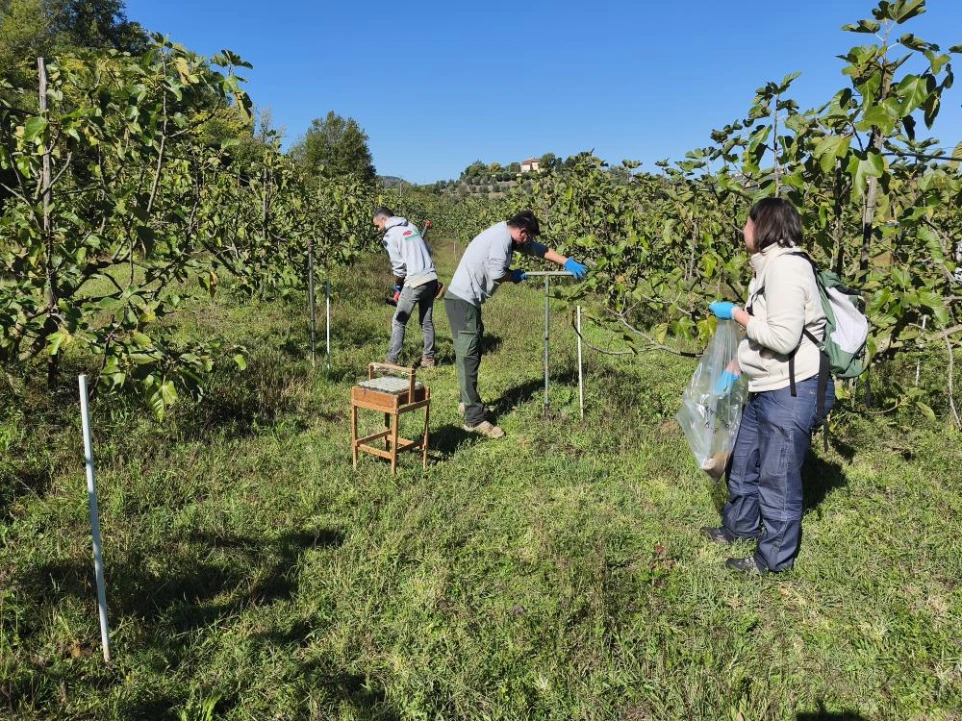
CONTEXT
Intensive Mediterranean agriculture causes environmental issues, prompting a shift to sustainable practices like agroecology and agroforestry. These systems, involving trees like fig, improve soil, preserve water and biodiversity, while providing economic benefits. In these challenges, participatory approaches and local genotypes are key. Projects like AGROFIG promote fig-based agroforestry, through living labs, demonstration sites with integrating crops, valorising fig germplasm, improving resilience to climate change, enhancing soil health, and farmer income in Mediterranean regions.
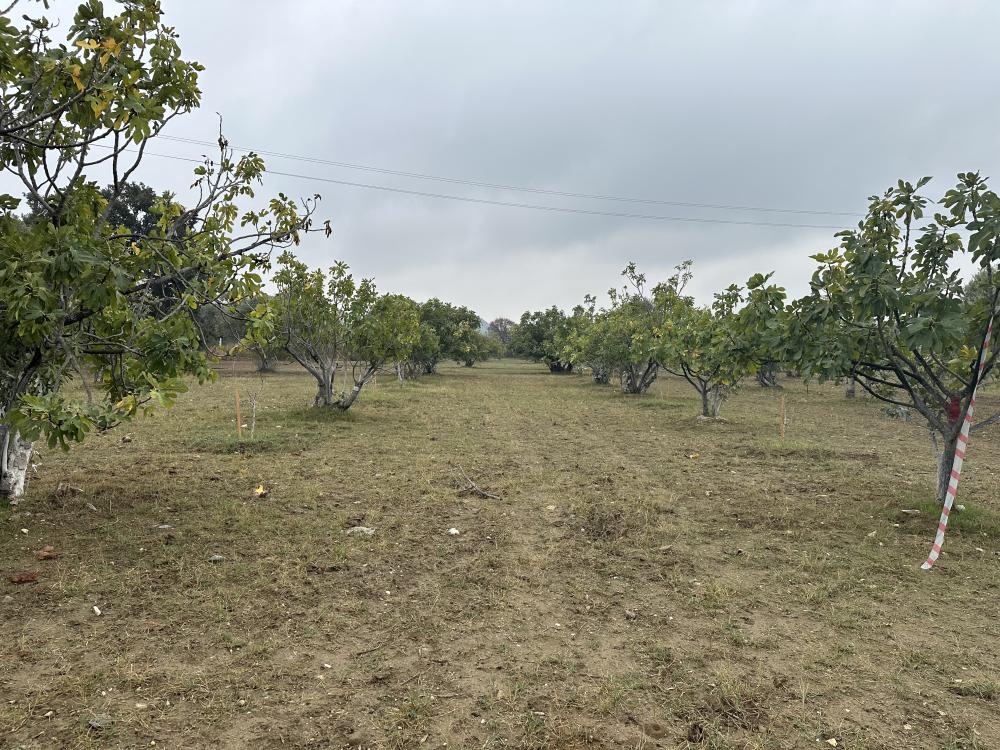
OBJECTIVES AND CONTENT
The overall goal of AGROFIG is to promote agroforestry through fig cultivation across the Mediterranean basin. The project aims to identify and address barriers to the wider adoption of agroforestry systems, considering the socio-economic context and exploring viable value chain alternatives. It will conduct participatory research activities to engage key stakeholders in living labs, fostering collaboration and knowledge exchange. Additionally, AGROFIG seeks to establish strong links with regulatory bodies and market actors to support the revitalization of agroforestry practices in the region. The project will test the performance of fig trees within agroforestry systems at various demonstration sites, evaluating their adaptability and benefits. It will also explore and valorize fig genetic diversity by examining an Italian collection, selecting genotypes with traits suitable for agroforestry based on stakeholder needs. Finally, AGROFIG will promote the dissemination of results, encourage collaboration among stakeholders and other projects with similar objectives, and maximize the impact and exploitation of its findings to support sustainable land use and rural development in the Mediterranean.
EXPECTED RESULTS AND IMPACT
Promoting agroforestry through fig cultivation across the Mediterranean, AGROFIG aligns with EU policies like Green Deal, Biodiversity, and Farm to Fork. It will integrate socio-economic data and stakeholder insights to inform policies, conserving biodiversity, especially under-utilized crops like figs, by exploring 130 genotypes. The project enhances environmental benefits such as biodiversity, soil health, water conservation, and climate mitigation. Economically, it supports farmers with low-input, adaptable fig varieties, boosting income and market opportunities, especially in degraded areas. Socially, we intend to engage at least 100 stakeholders per year through the establishment of living labs, promoting innovation and knowledge exchange to encourage the adoption of agroforestry solutions, resilient and inclusive rural communities, and gender-sensitive training. Scientific impacts include breeding programs based on genetic diversity.
CONTEXT
Intensive Mediterranean agriculture causes environmental issues, prompting a shift to sustainable practices like agroecology and agroforestry. These systems, involving trees like fig, improve soil, preserve water and biodiversity, while providing economic benefits. In these challenges, participatory approaches and local genotypes are key. Projects like AGROFIG promote fig-based agroforestry, through living labs, demonstration sites with integrating crops, valorising fig germplasm, improving resilience to climate change, enhancing soil health, and farmer income in Mediterranean regions.
OBJECTIVES AND CONTENT
The overall goal of AGROFIG is to promote agroforestry through fig cultivation across the Mediterranean basin. The project aims to identify and address barriers to the wider adoption of agroforestry systems, considering the socio-economic context and exploring viable value chain alternatives. It will conduct participatory research activities to engage key stakeholders in living labs, fostering collaboration and knowledge exchange. Additionally, AGROFIG seeks to establish strong links with regulatory bodies and market actors to support the revitalization of agroforestry practices in the region. The project will test the performance of fig trees within agroforestry systems at various demonstration sites, evaluating their adaptability and benefits. It will also explore and valorize fig genetic diversity by examining an Italian collection, selecting genotypes with traits suitable for agroforestry based on stakeholder needs. Finally, AGROFIG will promote the dissemination of results, encourage collaboration among stakeholders and other projects with similar objectives, and maximize the impact and exploitation of its findings to support sustainable land use and rural development in the Mediterranean.
EXPECTED RESULTS AND IMPACT
Promoting agroforestry through fig cultivation across the Mediterranean, AGROFIG aligns with EU policies like Green Deal, Biodiversity, and Farm to Fork. It will integrate socio-economic data and stakeholder insights to inform policies, conserving biodiversity, especially under-utilized crops like figs, by exploring 130 genotypes. The project enhances environmental benefits such as biodiversity, soil health, water conservation, and climate mitigation. Economically, it supports farmers with low-input, adaptable fig varieties, boosting income and market opportunities, especially in degraded areas. Socially, we intend to engage at least 100 stakeholders per year through the establishment of living labs, promoting innovation and knowledge exchange to encourage the adoption of agroforestry solutions, resilient and inclusive rural communities, and gender-sensitive training. Scientific impacts include breeding programs based on genetic diversity.